



Our Oracy Report - The Great British Speaking Gap
As part of Our Social Promise we are committed to creating opportunities for all and oracy skills play a vital part in this.
We conducted polling with More in Common and commissioned research with Purpose Union to better understand perceptions and access to oracy education and training in the UK.
And the results are stark. Nearly every respondent said they think oracy is important for career progression, but a majority have never had any oracy education or training. And this access only worsens when you take into account socio-economic backgrounds.
Report Highlights
-
Individuals from the most well-off backgrounds are 5 times more likely than those from the least advantaged backgrounds to have had oracy training or development opportunities (51% vs 10%).
-
There is also a gender gap: 45% of men vs 39% of women have had public speaking training, while 39% of men vs 33% of women received oracy development opportunities at school.
-
The majority of Britons have had no dedicated oracy teaching (53%) or workplace training (64%).

Within the report we make a series of recommendations for government and employers to ensure that oracy is a focus beyond schooling, so that everyone has the opportunity to learn and improve their verbal communication skills. These range from providing practical resources for employers, embedding oracy into apprenticeships and T Levels and supporting programmes in deprived areas.
Sophie Smith, Chief People Officer
"It seems obvious that access to oracy education and training should be available to all. It is as important as reading, writing and arithmetic - skills which are taught at a young age to set children up for success in life."

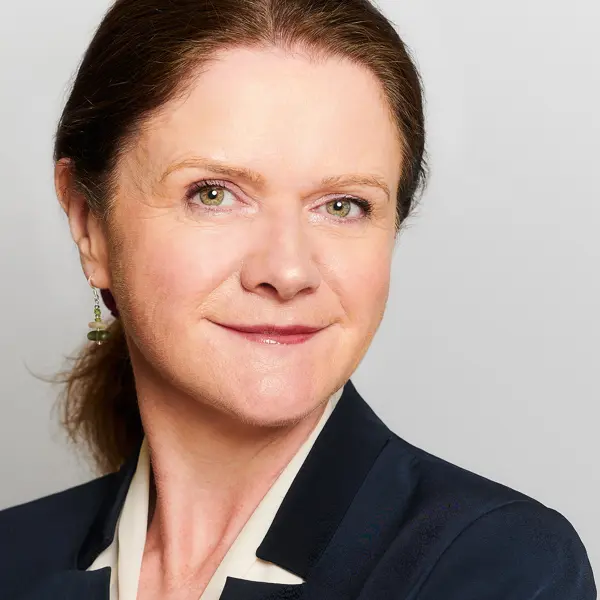
Kate Nicholls, Chair of UKHospitality
"Communication in a hospitality venue is an essential skill. Whether it's communicating in a busy kitchen team or providing fantastic front-of-house service, oracy skills are a must. We support Compass' calls to expand the focus on oracy to include the workplace, and give both teams and employers the tools they need to develop our skills even further."